
Is to produce relevant and accurate statistics that are comparable over time in compliance with the international and national standards. Read more ...
We have 84 guests and no members online
Gender Equality in Lebanon
|
How far are we from Gender Equality in Lebanon? A gender statistical report in partnership between CAS and UNDP highlights how gender disaggregated data could help mainstream gender in national policies and in tracking progress towards achieving gender parity. The report is available in English (PDF).
|
DISTRICT STATISTICS based on the Labour Force and Household Living Conditions Survey 2018-2019
DISTRICT STATISTICS
(based on the Labour Force and Household Living Conditions Survey 2018-2019)
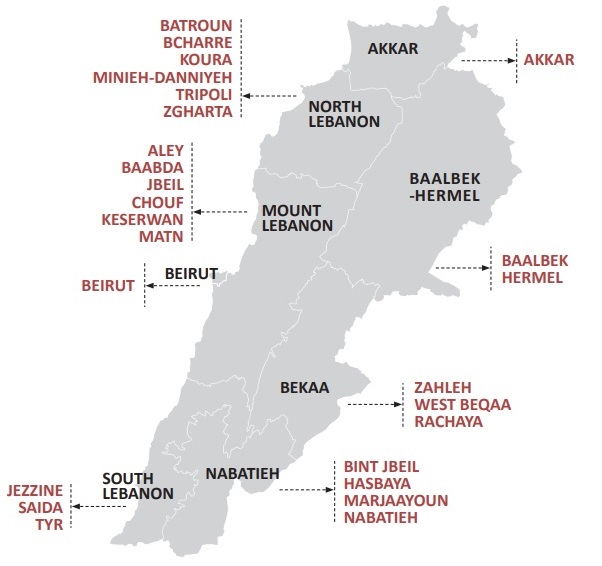
CAS presents district-based statistical reports, prepared in collaboration with the UNDP, covering the 26 Lebanese administrative districts. These reports are drawn from the findings of the LFHLCS carried out by CAS between 2018 and 2019, and provide a description of the socio-economic context in each district. The covered districts are illustrated in the map below.
إحصاءات الأقضية
(مسح القوى العاملة والاحوال المعيشية للأسر 2018-2019)
أطلقت إدارة الإحصاء المركزي بالشراكة مع برنامج الأمم المتحدة الإنمائي 26 تقريرًا إحصائيًا باللغتين العربية والانكليزية تغطي الأقضية اللبنانية
هذه التقارير تستند إلى نتائج مسح القوى العاملة والاحوال المعيشية للأسر التي قامت به إدارة الاحصاء المركزي بين عامي 2018 و2019، وتوفر هذه التقارير بيانات إحصائية لفهم السياق الاجتماعي والاقتصادي لهذه الأقضية
تم عرض كافة الاقضية اللبنانية في الخريطة أدناه
 |
Sub-National Lebanon Multiple Indicator Cluster Survey (MICS 2023)
The Central Administration of Statistics publishes the results of the Sub-National Lebanon Multiple Indicator Cluster Survey (MICS 2023), implemented with the technical and financial support of UNICEF, including the Global MICS Team.
Sub-National_Lebanon_MICS_2023_Statistical-Snapshots
MICS6 Ch04 SR Sample coverage and characteristics of respondents-LB_EN
MICS6 Ch06 TM Thrive - Reproductive and maternal health-LB_EN
MICS6 Ch07 TC Thrive - Child health nutrition and development-LB_EN
MICS6 Ch09 PR Protected from violence and exploitation-LB_EN
MICS6 Ch10 WS Live in a safe and clean environment-LB_EN

 |
|
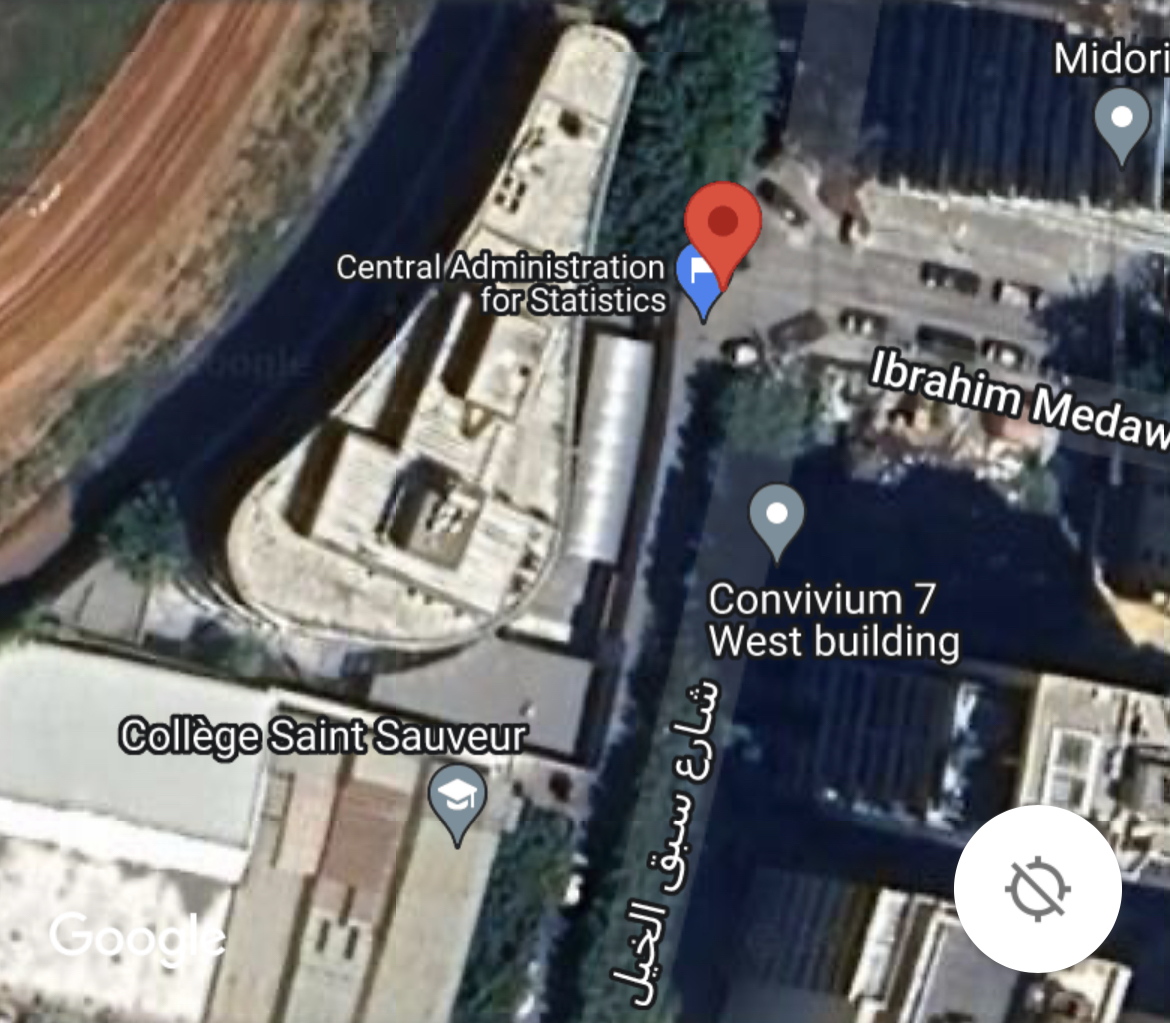
Central Administration of Statistics
Residence of the Council of Ministers, Badaro, Beirut, Lebanon
|
